HELP END CHILD
SEX TRAFFICKING

Make a Difference Today for a Safer Tomorrow

Every year, an estimated
300,000 children
are victims of sex trafficking.

40%

Are sold by a family member

99%

are never identified

<1%

receive care

80%

of survivors end up being re-victimized if they have no safe place to go

Our Mission at Safe House Project

Safe House Project is a national nonprofit organization dedicated to combatting human trafficking. Our mission is to raise the identification rate of survivors beyond one percent through education, provide emergency services to survivors, and ensure that every survivor has access to safe housing and holistic care. We have a vision to unite communities to eradicate human trafficking and restore hope, freedom, and a future to every survivor. To date, we have served over 2,763 trafficking survivors, trained more than 400,000 people to identify and report trafficking, and added 624 new spaces in safe house programs across the country, resulting in 227,760 safe nights for survivors every year.

Ending Child Sex
Trafficking Together

Your donations make a direct impact. We ensure every dollar you give changes lives. Here’s how:

227K SAFE NIGHTS

We’ve launched 624 beds in safe houses across the U.S., providing 227,760 safe nights annually.

OUR SAFE HOUSES

EMPOWERMENT

400,000 people have been trained and equipped to report and prevent trafficking.

EXPLORE TRAINING

DIRECT SUPPORT

We support over 200 survivors each month as they transition into safe, restorative care.

SURVIVOR SUPPORT

Our Impact
Nationwide

Thanks to our donors and partnerships, we’re a national leader in combating child sex trafficking. Our efforts have established and helped numerous safe houses across the United States, ensuring survivors find refuge and safety.

Introducing
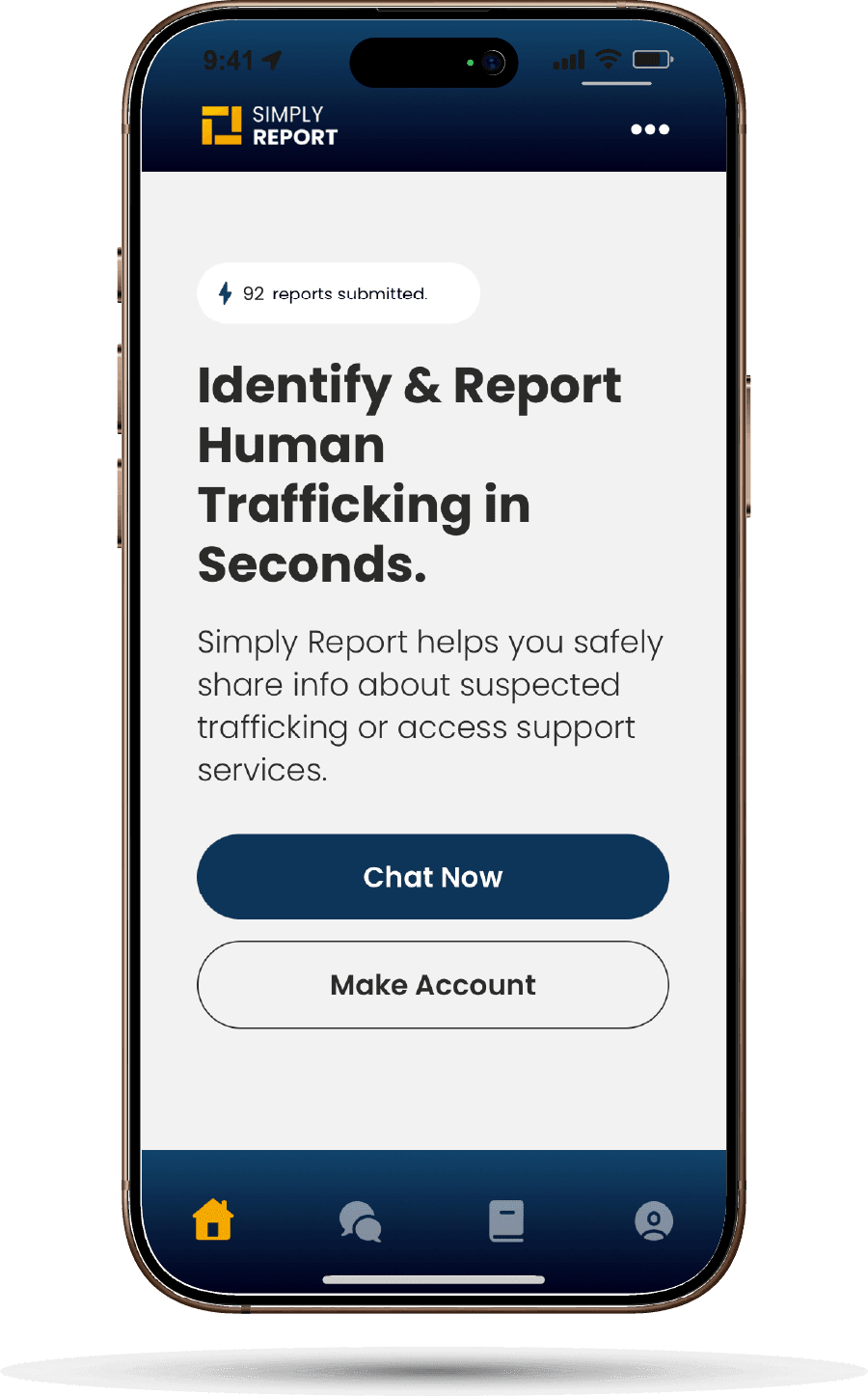
Simply Report

Our New AI-Powered Reporting Tool

Quickly and confidentially report suspected trafficking situations. Your voice helps save lives.

REPORT A TIP

Here’s how you can
make a difference

DONATE

Your donations help provide essential care and safe environments for survivors in need.

SHARE

Spread the word about how your community can get involved in the fight.

JOIN

Become a part of our mission to end child sex trafficking and help us create lasting change.

Be The
Change

Ready to take a stand? Donate today and sign our petition to ensure that no child ever has to endure the horrors of sex trafficking again. With your help, we can provide a hopeful future for every child.

DONATE

Sign Our Petition

Advocate for policies that protect children and hold traffickers accountable. Together, we can end child sex trafficking and restore freedom and hope.

OUR PETITIONSIGN THE PETITION

Team Protectors Podcast

BRINGING HOPE. SHARING STORIES. EMPOWERING CHANGE.

Each episode of the Team Protectors Podcast invites listeners into authentic conversations with survivor leaders, advocates, and community partners dedicated to ending child sex tracking. Hosted by the Safe House Project, the podcast covers education, inspiration, and practical steps to make a dierence, right where you are.

TUNE IN. TAKE ACTION. JOIN TEAM PROTECTORS.

Testimonials

Emergency Response FAQs

What is survivor emergency response and why is it critical for individuals exiting trafficking situations?

Survivor emergency response is the urgent, coordinated support provided when a trafficking survivor needs critical assistance to move toward safety, stability, and healing. At Safe House Project, survivor emergency response exists because the moment a survivor is identified is often the most vulnerable point in their journey. Without rapid, survivor-centered support, individuals may have nowhere safe to go and no clear pathway forward.

Survivor emergency response focuses on meeting immediate needs while preserving survivor agency and choice. This includes coordinating transportation, and placement into appropriate safe housing, all while prioritizing dignity and informed decision-making. Safe House Project understands that survivors are not problems to be solved but people who deserve to be supported with care, clarity, and respect.

Emergency response is critical because systems often fail survivors at the point of identification. Survivors may have interacted with healthcare providers, law enforcement, or social services multiple times without receiving appropriate help. Survivor emergency response bridges those gaps by ensuring that once someone is identified, they are not left alone to navigate complex systems during a moment of crisis.

Safe House Project’s survivor emergency response is designed to provide a pathway to freedom and healing, not a temporary solution. It connects survivors to longer-term care options that support restoration and long-term stability. By responding quickly and thoughtfully, survivor emergency response helps prevent further exploitation and creates the conditions necessary for healing to begin.

How does Safe House Project coordinate survivor emergency response nationwide?

Survivor emergency response at Safe House Project is coordinated through a national infrastructure built to respond quickly, compassionately, and effectively when survivors need urgent help. Safe House Project serves as a central connector, working with a wide network of trusted partners to ensure survivors are supported wherever they are located.

When a survivor is identified, the emergency response process begins with understanding the individual’s unique situation and needs. Safe House Project works closely with referral partners such as healthcare providers, law enforcement, and community organizations to assess urgency and determine next steps. This approach ensures survivor emergency response is tailored rather than transactional.

A critical component of this coordination is Safe House Project’s placement expertise. Survivor emergency response often requires rapid placement into appropriate safe housing, which can vary based on age, gender, medical needs, and other factors. Safe House Project uses its national network of vetted programs to identify the safest and most appropriate options available at that moment.

Survivor emergency response also includes ongoing communication and follow-up. Safe House Project does not simply hand off survivors and step away. The team maintains contact through key check-in points to ensure survivors remain supported as they transition into longer-term care. This continuity helps survivors feel seen and supported rather than passed between systems.

Through nationwide coordination, survivor emergency response becomes a reliable bridge between identification and healing.

Who can access survivor emergency response through Safe House Project?

Survivor emergency response through Safe House Project is available to individuals of any age or gender who are seeking help after being identified as victims of trafficking and who desire restorative care. Safe House Project recognizes that trafficking impacts people across all communities and works to ensure emergency response is accessible and survivor-centered.

Survivors may be referred through a variety of channels, including healthcare systems, law enforcement agencies, child protective services, and trusted community partners. In some cases, survivors may seek help directly. Survivor emergency response begins with listening, not assumptions, and prioritizes the survivor’s willingness to engage in care.

Safe House Project understands that many survivors seeking emergency response have experienced repeated system failures. Some may have been previously turned away, misidentified, or unsupported. Survivor emergency response is designed to meet individuals where they are, without judgment or unrealistic expectations.

Access is not dependent on having all answers or being ready for long-term decisions. Survivor emergency response provides stabilization and support first, allowing survivors the time and space needed to consider next steps. This approach reflects Safe House Project’s commitment to dignity, agency, and survivor empowerment at every stage of care.

What services are included in survivor emergency response?

Survivor emergency response includes a coordinated set of services designed to support survivors during moments of urgent need while creating a pathway toward long-term healing. At Safe House Project, emergency response is not limited to a single action but encompasses thoughtful, survivor-informed support.

Key elements of survivor emergency response include crisis coordination, transportation assistance, and placement into appropriate safe housing. Survivors may need help leaving an unsafe environment, accessing immediate shelter, or traveling to a secure location. Safe House Project works to ensure these steps are handled with care, transparency, and respect for survivor choice.

Survivor emergency response also involves collaboration with trusted partners to meet immediate needs such as medical attention or stabilization. While Safe House Project does not replace local service providers, it plays a vital role in connecting survivors to the right resources at the right time.

Importantly, survivor emergency response is not the end of care. It is the beginning of a continuum that includes longer-term housing, therapeutic services, and ongoing support. Safe House Project follows up at key intervals to ensure survivors remain supported and connected to care that aligns with their goals.

By offering comprehensive emergency response, Safe House Project helps survivors move from crisis toward stability and hope.

Why is survivor emergency response essential to preventing further exploitation?

Survivor emergency response is essential because instability and lack of support significantly increase the risk of further exploitation. When survivors are identified but left without immediate assistance, they may have no safe options and face overwhelming pressure to return to unsafe situations.

Safe House Project’s survivor emergency response addresses this critical window by ensuring survivors are not left to navigate complex decisions alone. Immediate access to safe housing and coordinated care reduces vulnerability and provides the stability needed to begin healing.

Emergency response is also essential because survivors often carry deep trauma and may struggle to trust systems or authority figures. A compassionate, survivor-centered response helps build trust and reinforces that help is available without coercion or judgment.

By prioritizing timely, thoughtful action, survivor emergency response interrupts cycles of harm and creates opportunities for long-term freedom. It reflects Safe House Project’s belief that every survivor deserves a clear pathway forward, not another closed door.

How can donors and partners support survivor emergency response efforts?

Survivor emergency response is made possible through the generosity and commitment of donors and partners who believe in survivor-centered solutions. Financial support allows Safe House Project to respond quickly when survivors need immediate assistance, including transportation, housing placement, and coordination of care.

Donor support also strengthens the infrastructure required to sustain emergency response nationwide. This includes maintaining trained staff, expanding safe housing capacity, and supporting follow-up care that ensures survivors are not left unsupported after the initial crisis.

Partners play a vital role by increasing survivor identification and strengthening referral pathways. Trained healthcare organizations, businesses, and community groups help ensure survivor emergency response can be activated quickly when someone is identified.

Supporting survivor emergency response means investing in moments that change lives. It allows Safe House Project to stand in the gap when survivors need help most and to provide hope, clarity, and a pathway toward healing.

How does survivor emergency response support survivor choice and autonomy?

Survivor emergency response at Safe House Project is built on the belief that survivors must remain at the center of every decision affecting their care. From the first point of contact, survivor emergency response prioritizes informed choice, respect, and agency rather than reactionary-driven decision-making that removes control from the survivor.

Safe House Project understands that exploitation often involves a loss of autonomy. Survivor emergency response intentionally works to restore that agency by offering options, explaining processes clearly, and allowing survivors to move forward at a pace that feels safe to them. Survivors are not forced into decisions or placements but are supported as they consider next steps.

Emergency response staff take time to listen to survivors’ needs, concerns, and goals. This includes acknowledging fear, uncertainty, and hesitation as valid responses to trauma. Survivor emergency response does not assume readiness for long-term care but instead focuses on stabilization and empowerment.

By centering survivor choice, survivor emergency response builds trust and lays the foundation for healing. This approach reflects Safe House Project’s commitment to dignity and ensures that support strengthens survivors rather than repeating patterns of control or harm.

How does survivor emergency response work with healthcare and community partners?

Survivor emergency response relies on strong collaboration with trained healthcare providers, community organizations, and other frontline partners who are often the first to identify survivors. Safe House Project works alongside these partners to ensure that once a survivor is identified, there is a clear and compassionate response.

Healthcare settings play a critical role in survivor emergency response because survivors may seek medical care before they ever seek help for experiencing exploitation. Safe House Project equips partners with training and support so they know how to respond appropriately and connect survivors to emergency response services.

Community partners such as educators, faith leaders, and service providers also play an important role. Survivor emergency response functions best when communities understand how to identify trafficking and where to turn for help. Safe House Project serves as a trusted point of connection, reducing confusion and delays during critical moments.

Through collaboration, survivor emergency response becomes more effective and accessible. It ensures survivors encounter consistent, survivor-centered care rather than fragmented or harmful responses.

What happens after the initial survivor emergency response is complete?

Survivor emergency response is the beginning of care, not the end. After immediate needs are addressed, Safe House Project remains engaged to ensure survivors are supported as they transition into longer-term housing and services.

Following emergency response, survivors may enter residential care, transitional housing, or other restorative programs based on their needs and preferences. Survivor emergency response includes coordination and follow-up to help survivors feel supported during this transition.

Safe House Project conducts check-ins at key points to ensure survivors remain connected to care and that placements continue to meet their needs. This continuity reduces the risk of survivors feeling abandoned or overwhelmed after the initial crisis passes.

By maintaining involvement beyond the emergency phase, survivor emergency response supports long-term healing and stability. It reinforces Safe House Project’s commitment to walking alongside survivors on their pathway toward restoration.

How does survivor emergency response address complex or high-need situations?

Survivor emergency response is designed to respond to complex situations where survivors may have physical, mental health, or logistical needs that make placement more challenging. Safe House Project recognizes that many survivors seeking emergency response have been previously turned away due to the complexity of their circumstances.

The survivor emergency response team works carefully to assess these needs and identify programs equipped to provide appropriate care. This may involve coordinating additional services or working closely with specialized housing providers.

Safe House Project does not view complexity as a reason to deny care. Survivor emergency response exists to help navigate these challenges and reduce barriers whenever possible. This approach reflects a survivor-centered commitment to inclusion and dignity.

By addressing complexity with care and expertise, survivor emergency response helps ensure that survivors with the greatest needs are not left without options.